- Municipal Committee Burewala

Email Alert Setup for Rocket X game in Canada - Burewala
10Jun’26
If you play also offers game rocket x in Canada, getting your email notifications correctly is important. These automated messages keep you linked to the platform. They send you updates on promotions, acknowledge your deposits, tell you about bonus chances, and notify you of security issues. Adjusting your preferences isn’t just a box-ticking exercise. That is how you remain updated and maintain control over your account. This guide walks you through the process, step by step, so you can receive the information you want without being overwhelmed by a messy inbox.
Grasping Rocket X and Its Communication Ecosystem
Rocket X is a crash-style game. You put down a bet, see a rocket ascend, and try to cash out before it explodes at a unpredictable moment. Its uncomplicated, high-stakes style has gained plenty of fans across Canada. The game functions inside a licensed online casino. Both the game provider and the casino itself dispatch automated emails. This system is governed, meant to support transparent operations and responsible play. In Canada, provincial rules introduce another layer. Notifications might notify you of policy changes or authenticate your activity for compliance reasons. Viewing these emails as a regular part of a protected service is the basis for handling them well.
The emails usually separate into two main types. Transactional messages occur because of something you did. Think deposit receipts, withdrawal confirmations, password reset links, and account verification. Most players consider these essential. Promotional emails are distinct. They cover things like new game alerts, special bonus offers for Rocket X, tournament invites, and news from loyalty programs. If you’re tactical, getting the right promotional emails can be beneficial. They might present bonus funds that let you gamble longer. But if you permit every promotional email through, you’ll encounter notification overload. The important messages can become buried in the crowd.

Step-by-Step Instructions to Accessing Notification Settings
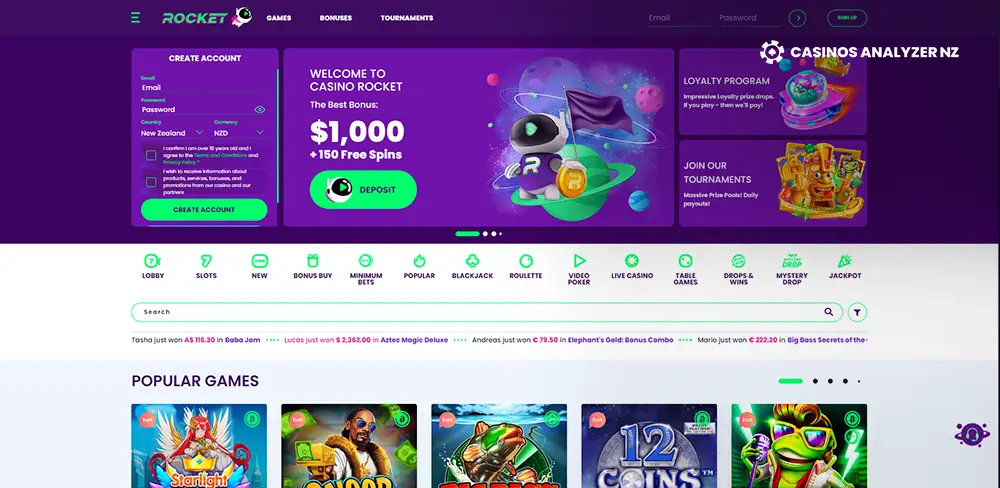
You won’t find notification settings inside the Rocket X game directly. You must go to the online casino platform that hosts it. The steps are similar for licensed sites in Ontario and other provinces. Start by logging into your verified casino account on their website or mobile app. Once you’re in, access the account management area. Find a link called “My Account,” “Profile,” or just click on your username or avatar. Inside that section, you should see a menu for “Preferences,” “Communications,” or “Notifications.” That’s the spot you control email, SMS, and sometimes push alerts.
Can’t find it? Attempt looking under “Settings” or “Security.” Sometimes, communication preferences are part of the sign-up flow or a mandatory check during account verification. Keep in mind Canada’s anti-spam law (CASL). It mandates platforms to get your clear consent before sending commercial messages. The notification settings page is the location you give or take away that consent. You’ll see a list of checkboxes or toggle switches, each for a different email category. Be thorough here. Read each one to make sure your final setup corresponds to what you actually want to know about.
Adjusting Your Email Alert Preferences for Optimal Control
The notification settings page displays all the alert types you can enable or disable. Your task is to distinguish the must-haves from the maybe-nots. Alerts about security and your account should nearly always stay on. This encompasses emails about login attempts from new devices, successful password changes, and when your account statement is ready. Deactivating these risks your security and leaves you in the dark about crucial activity. For transactional emails, like deposit confirmations and withdrawal updates, maintaining them creates a paper trail. This helps with budgeting and tracking how much you’ve spent on gameplay.
Promotional categories require more thought. If Rocket X is your main focus, enable alerts for crash game tournaments or rocket-specific bonus deals. You can likely turn off general promotions about new slot games or live dealer events if they don’t interest you. Many platforms have a “Newsletter” option that packs the top offers for a week or month. Your choices can be changed later. Plan to come back and adjust them now and then. A good approach is to begin conservatively. Activate only the essential and most relevant promotional types. Then, after a few weeks, check how the email volume feels and adjust it from there.
Essential Notifications for Account Protection and Account Management
Some emails are crucial to miss if you want a secure and properly managed gaming account in Canada. These alerts protect against unauthorized access and offer you a detailed record of everything that happens. Security alerts are the main focus. A login from an unfamiliar device or an IP address in a different location should generate an email. In a large country like Canada, a login from Vancouver right after one from Toronto is a red flag. That alert allows you to check the activity or lock things down fast. Emails that acknowledge a change to your password, email address, or withdrawal method are also critical. They offer you a window to spot and block changes you didn’t make.
Account management notifications extend past security. Automated emails that verify a deposit went through or a withdrawal has started are your payment confirmations. They’re valuable for your own records, for possible tax situations, and for resolving any disputes with the casino’s payment team. Notifications about your KYC (Know Your Customer) document verification, or alerts that your account statement is ready, are essential for regulatory compliance and your own supervision. Canadian players should keep these categories turned on at all times. Use a principal email address you monitor regularly for your registration.
- Login Alerts: For any sign-in from a unfamiliar device or location.
- Password/Profile Change Confirmations: For any change to security credentials or personal details.
- Deposit & Withdrawal Receipts: For every transactional transaction, completed or failed.
- Account Verification Status: For updates on KYC document confirmation or requests.
- Responsible Gaming Limit Alerts: For notifications when established deposit or loss limits are nearly reached.
Managing Promotional and Game Update Emails for Rocket X
Advertising emails and game updates for Rocket X provide value, but they can also flood your inbox. They notify you of time-sensitive bonuses, free bet chances, or exclusive tournaments that could boost your game and give you extra credit. The downside is volume. Too many emails mean you might miss the best offer. Good management hinges on being specific. In your communication preferences, look for sub-categories tagged with “Crash Games,” “Rocket X,” “Game Provider Offers,” or “Tournaments.” Turning these on while switching off broader promotional blasts makes the information you get more relevant.
Also, seek out frequency settings. Some platforms let you select between a real-time alert for every single offer and a daily or weekly digest. A digest is a solid middle ground. It cuts down the number of emails while still keeping you in the loop. Pay attention to the sender’s address, too. Make sure your email client isn’t marking these messages as spam, or you might filter out all casino mail. Every so often, scan the promotional emails you do receive. If they’re consistently not giving you useful Rocket X info, it’s time to go back into your settings and refine them further.
Fixing Common Email Notification Difficulties
Occasionally, expected emails from your Rocket X casino fail to arrive. The most common reason is your email provider’s spam or junk folder. Even legitimate iGaming emails often get caught by aggressive filters. Your first action should always be to look in these folders. If you discover the missing messages, label the sender as “not spam” or add the casino’s official address to your contacts or safe sender list. Another scenario is an overzealous email rule or a third-party spam filter blocking messages before you ever see them.
If your spam folder is empty, check the notification settings in your casino account. Maybe you accidentally turned a category off during a previous update. Sometimes platforms introduce new preference options that default to “off.” Double-check that the email address on your account is correct and fully verified. A simple typo can direct all your communications into the void. For players using services like Gmail, don’t forget to check in the “Promotions” or “Updates” tabs. When all else fails, contact customer support. They can verify your email status on their end, reissue verification emails, and verify whether their system is sending notifications to you.
Lawful and Data Protection Considerations for Canada-based Players
Establishing email notifications for a site like Rocket X in Canada involves federal privacy law and provincial gaming rules. The main federal laws are the Personal Information Protection and Electronic Documents Act (PIPEDA) and Canada’s Anti-Spam Legislation (CASL). CASL is key here. It states that commercial electronic messages, including promotional emails, can only be sent with your consent. When you change your notification preferences, you are actively granting or revoking that consent. Licensed casinos in regions like Ontario, regulated by the AGCO, have to adhere to these laws. Their communication practices must be clear and based on your permission.
Your privacy is also safeguarded. The data used to create these notifications—your gameplay history, deposit habits, contact info—is covered by privacy policies. You have a right to know how this data is used for marketing. It’s a good idea to read the platform’s Privacy Policy to grasp how long they keep your data and if they share it. Responsible gaming is another legal pillar in Canada. Notifications about deposit limits, session reminders, or self-exclusion status aren’t just helpful features. They are often mandated by provincial regulators. Enabling these alerts helps you play within a protected, legally compliant framework that aligns with Canada’s strict standards.
